Culture of Agriculture
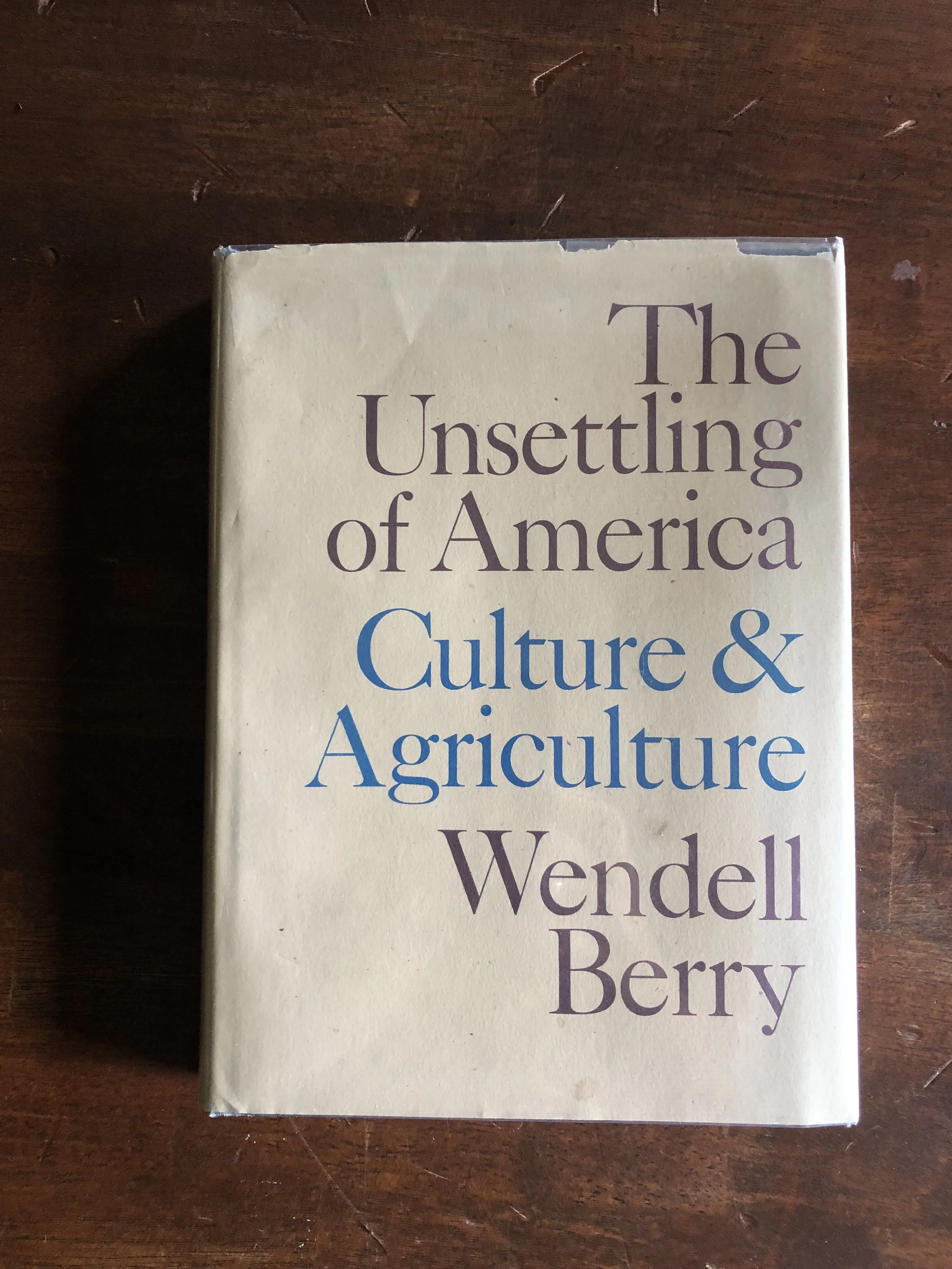
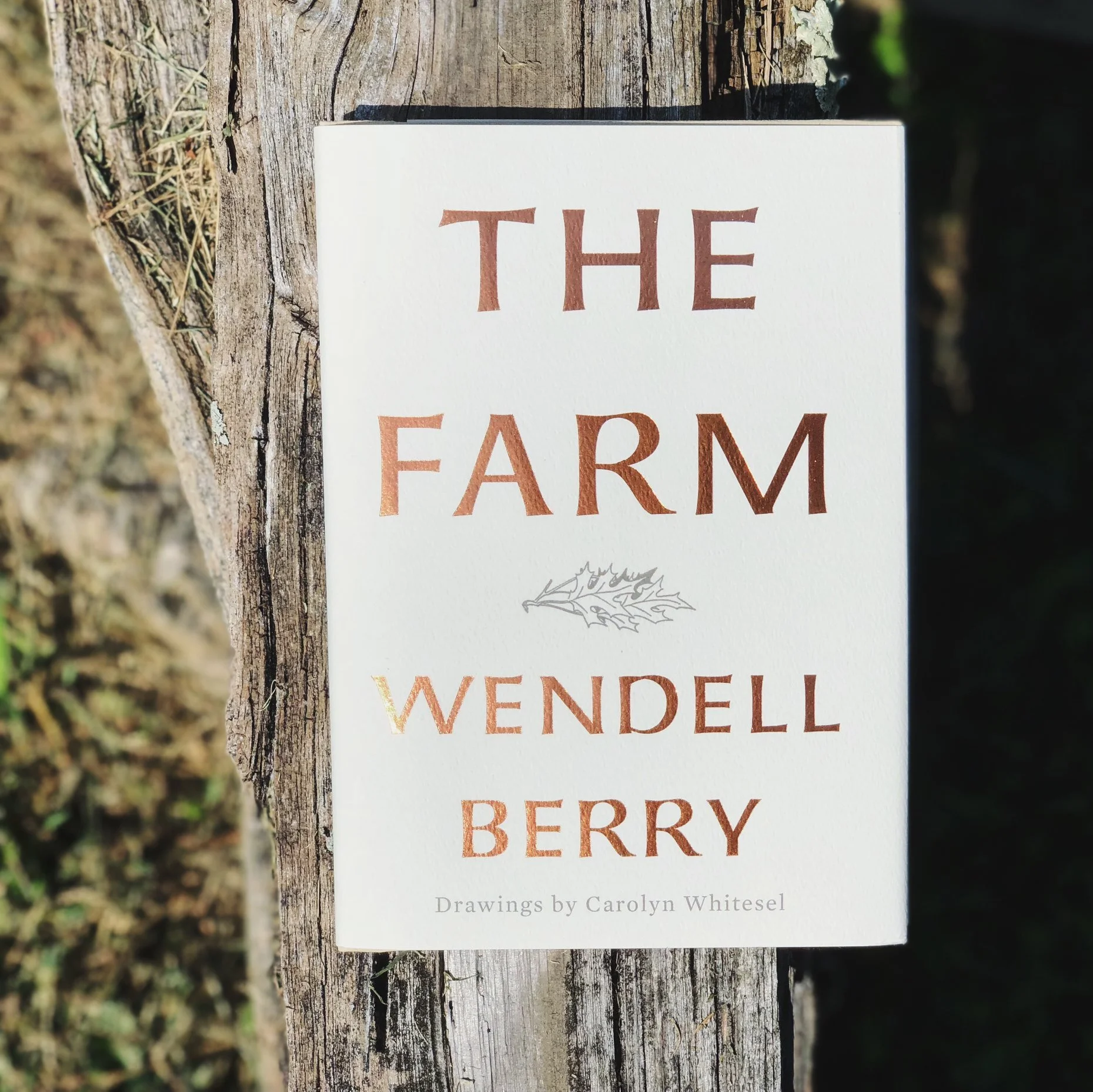
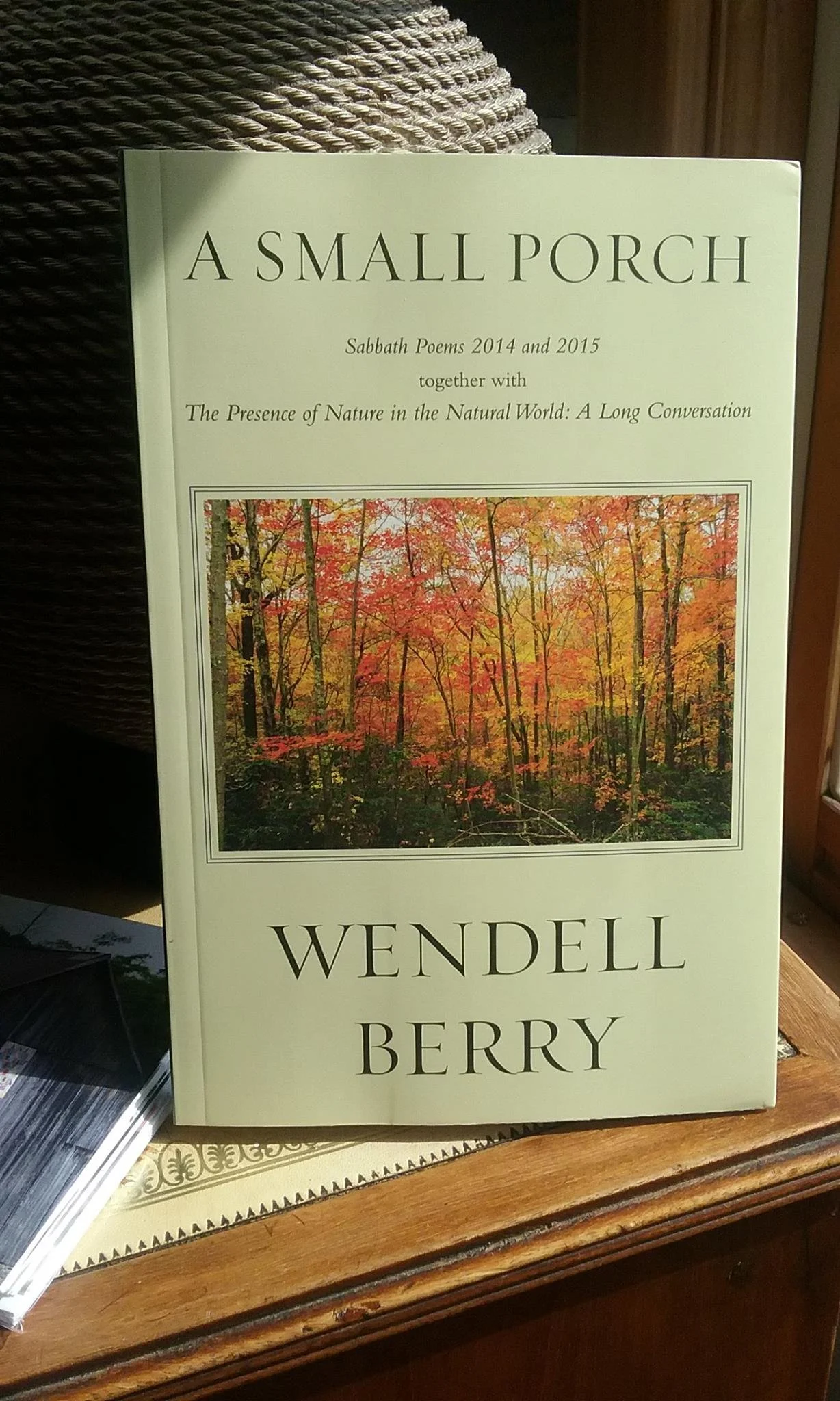
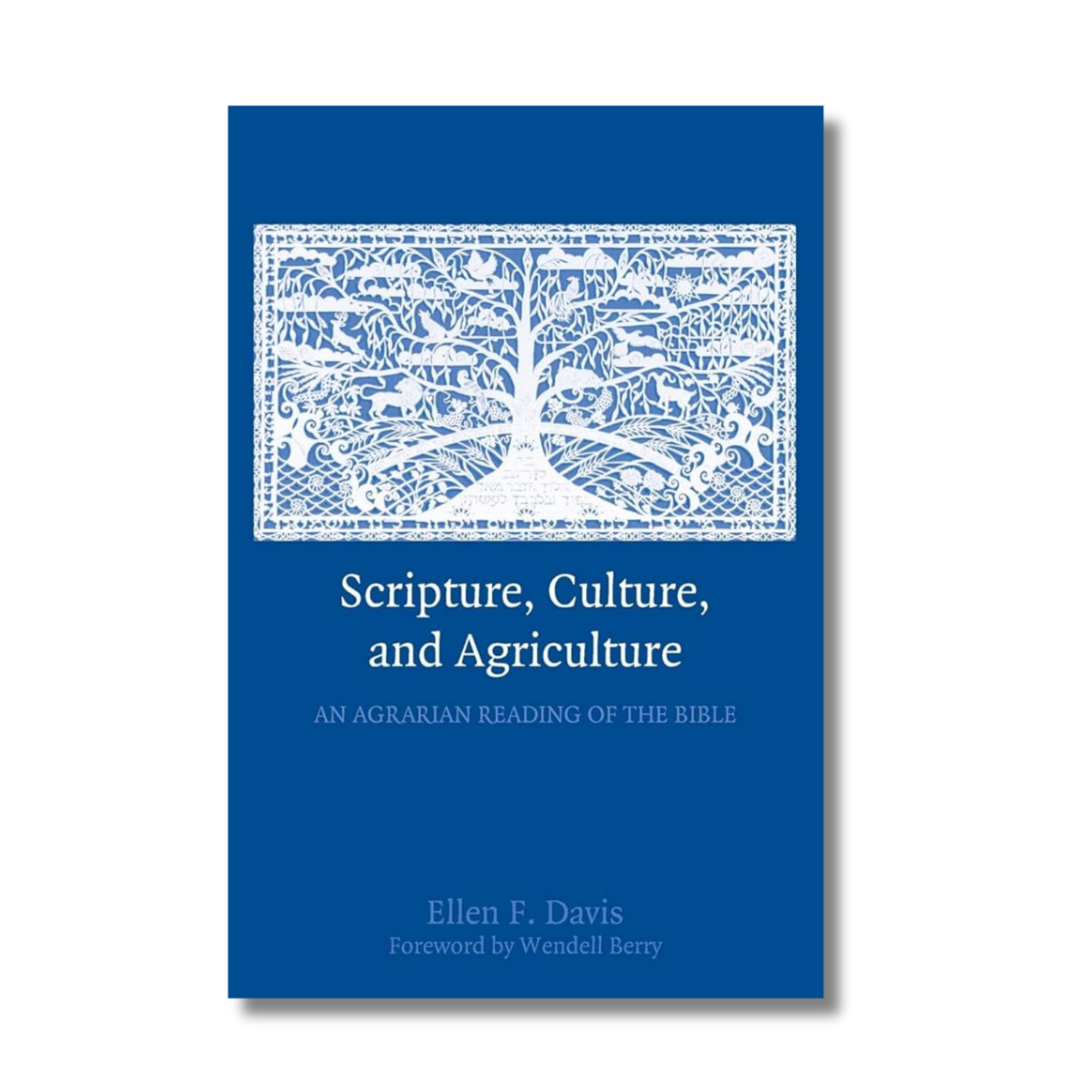
The Culture of Agriculture curriculum puts culture at the center of agriculture. Through courses, workshops, and field days, participants learn to use Wendell Berry’s writing to advocate for healthy land and communities; understand their places in agricultural history; determine affordable, farm-based solutions; cultivate an agricultural economy of cooperation, parity, and democracy; and practice neighborly leadership.
The Agrarian Voices Study classes combine the tradition of study clubs and Chautauqua lectures. Historically, these programs cultivated civic engagement and community cohesion through intellectual, artistic, and practical pursuits—all vital for establishing and strengthening cultural foundations of democracy.
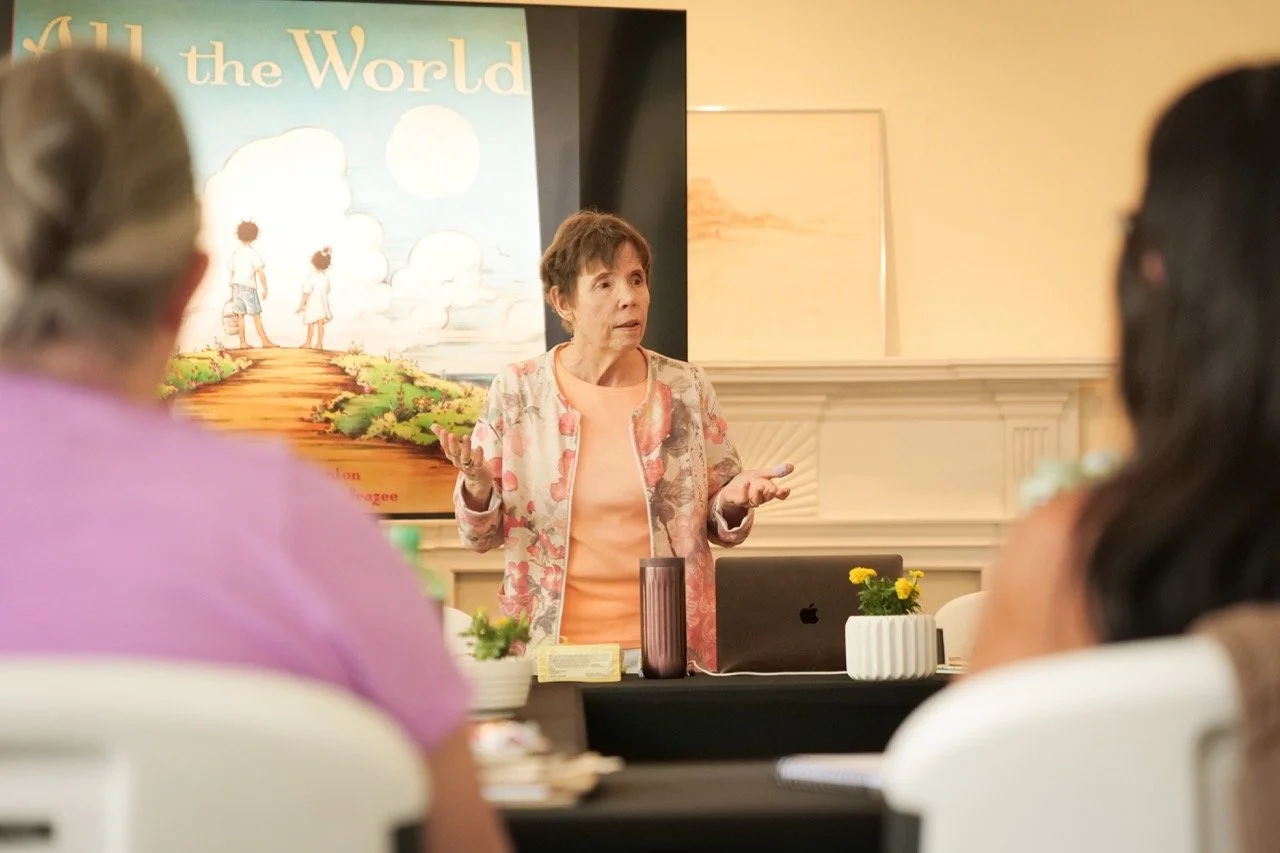
In this two-part, six-hour workshop, participants look at what a picture book is and how it works. An expansive genre, picture books extend from lap-sitters and independent readers and include fiction, nonfiction, poetry, and biography.
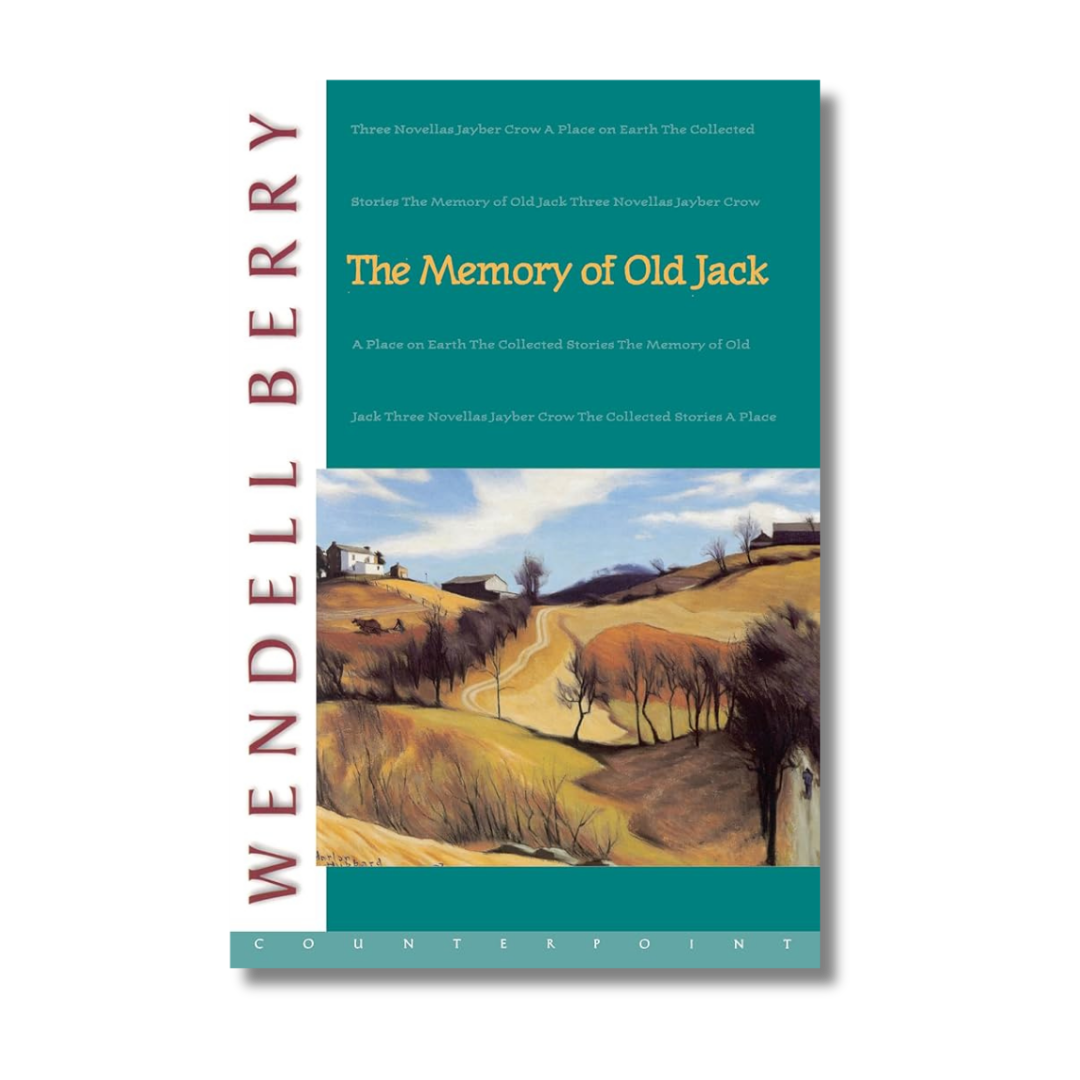
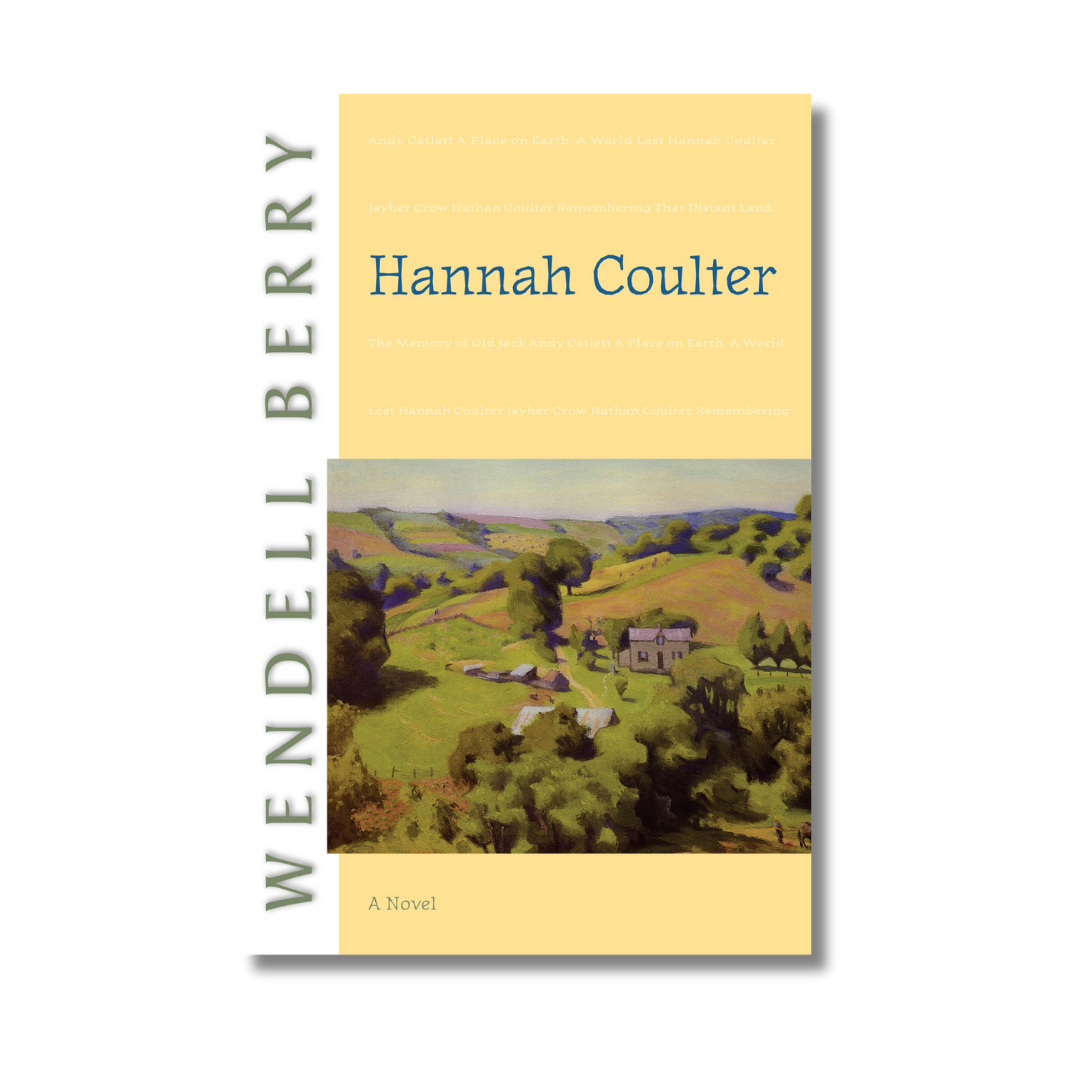
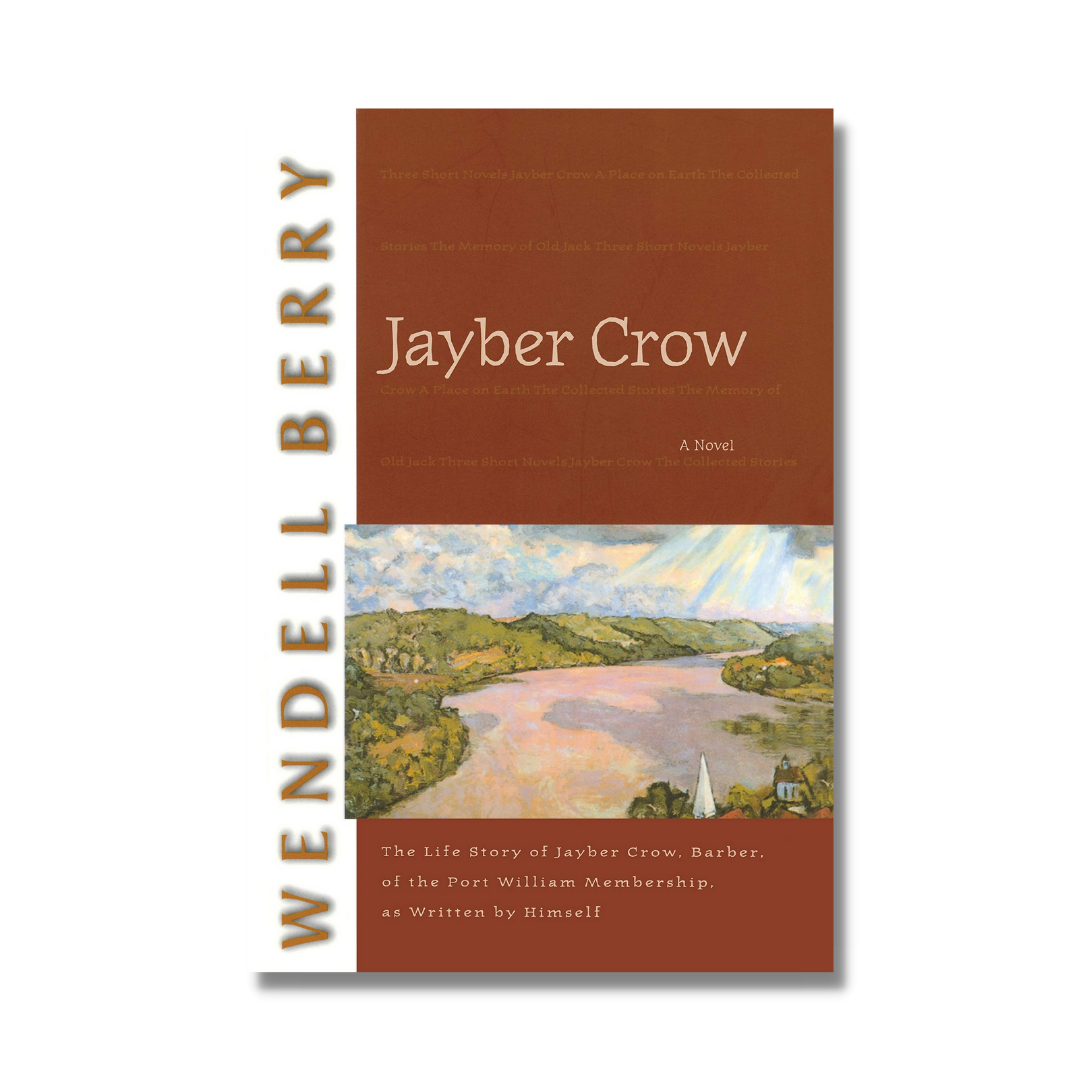
In our Reading in Place studies, participants will receive a reading guide filled with discussion questions, supplemental resources (maps, articles, images, et al.), and hands-on exercises–to be used while reading at home and while at The Berry Center Farm, exploring the landscapes captured in the novel.
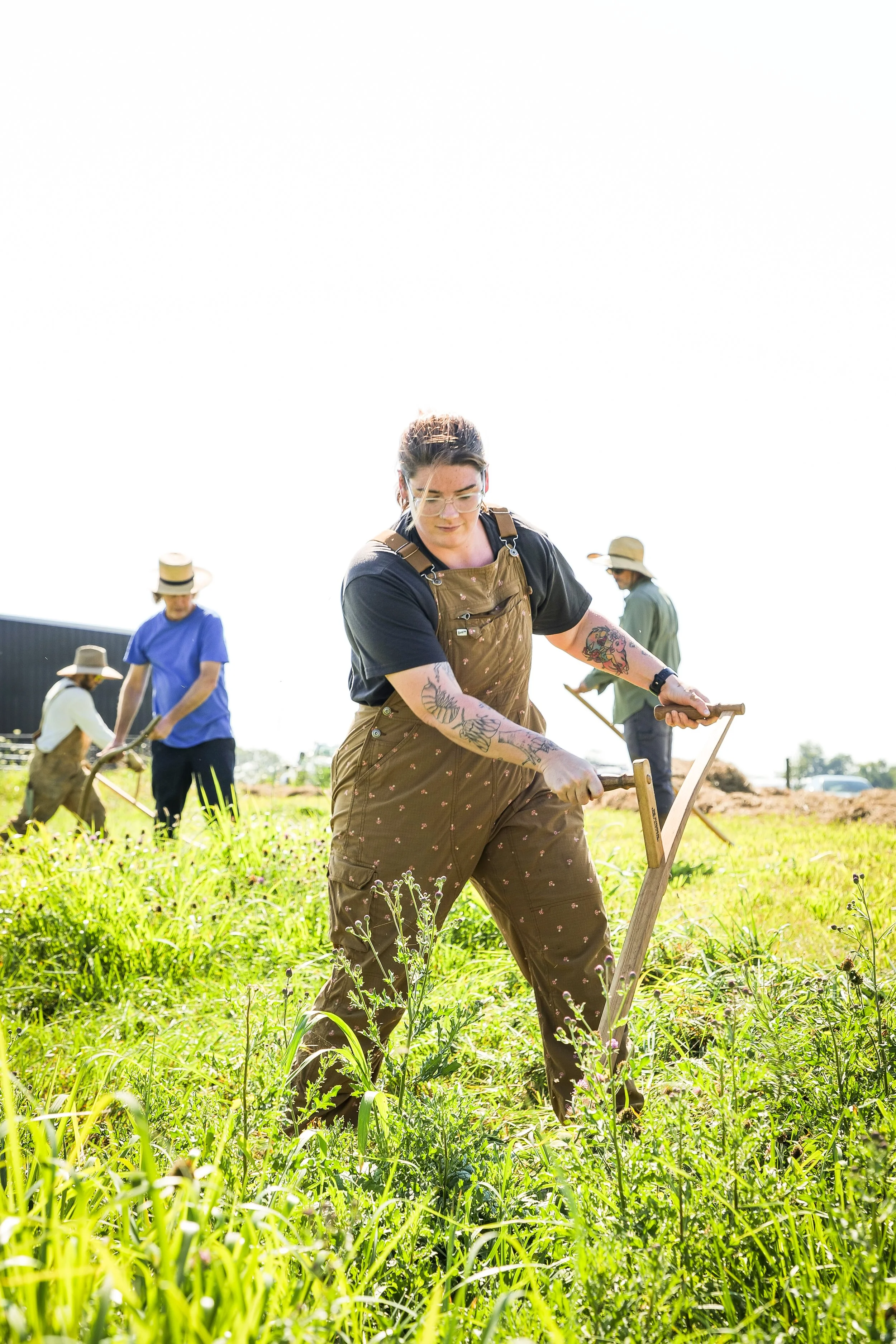
This hands-on course will provide students with the knowledge and practical skills necessary to effectively use a modern European-style scythe for mowing grass and harvesting hay. We will delve into the historical context and ecological benefits of scythe-based mowing contrasting it with contemporary mechanical methods.
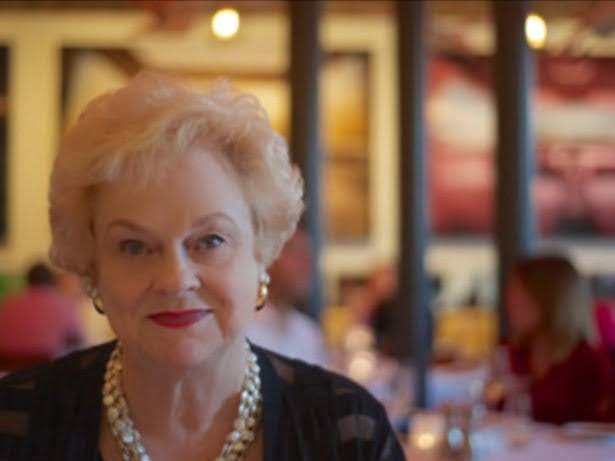
This 2-day workshop is designed for those who are beginning to collect and write their personal stories of family and rural places. Georgia Green Stamper has led these sessions at The Berry Center’s Agrarian Cultural Center.
In our Reading in Place studies, participants will receive a reading guide filled with discussion questions, supplemental resources (maps, articles, images, et al.), and hands-on exercises–to be used while reading at home and while at The Berry Center Farm, exploring the landscapes captured in the book selection.